For the best, highest quality metal working machinery and spares UK Wide call 01432 346 579
INDUSTRIAL METAL CUTTING BANDSAWS
We’re a leading supplier of Bianco and Sterling bandsaws, offering an extensive range of industrial metal-cutting machinery. From everyday single and double-mitre horizontal bandsaws to heavy-duty twin-column and fully automatic CNC machines, we can provide a solution for virtually every cutting requirement.
BIANCO & STERLING, BUILT FOR EVERY LEVEL OF PRODUCTION.
Two brands, one goal: delivering the right bandsaw solution for every workshop, whether it's cutting capacities or automation.
Bianco for traditional reliability, Sterling for heavy-duty performance. Backed by Selmach support.
CHOOSE YOUR TYPE OF BANDSAW
Start with the style of bandsaw that best suits your material, cutting requirements and production environment. Your choice will be applied automatically to the product filters below.
CHOOSE YOUR LEVEL OF AUTOMATION
From completely manual operation, to full CNC control – select the automation level that suits your production needs.
Select Horizontal Pivot or Twin Column Bandsaws above to choose an
automation level. Twin Column machines are available from Semi-Automatic upwards.
CHOOSE YOUR BANDSAW SOLUTION
Use these filters to explore our full range of Bandsaws, and narrow down the selection that best suits your cutting requirements.
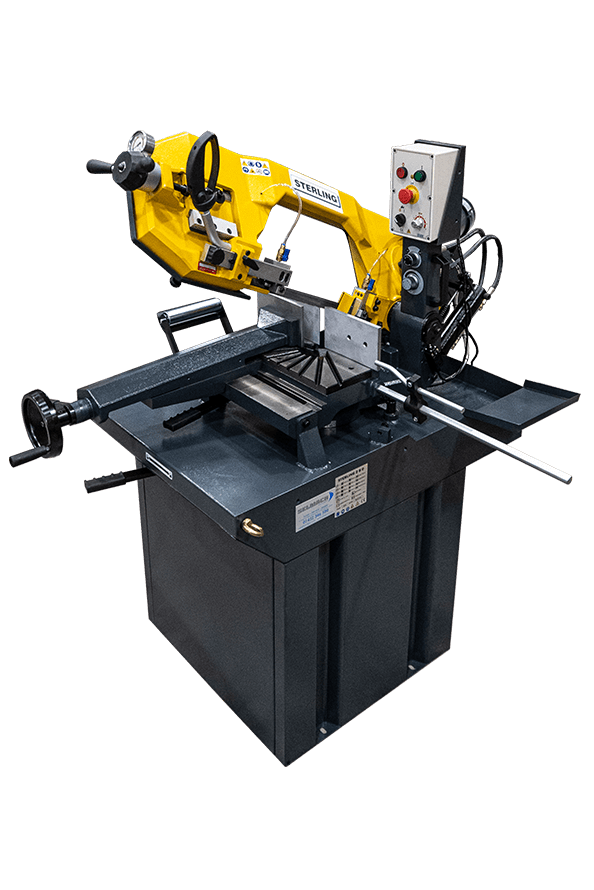
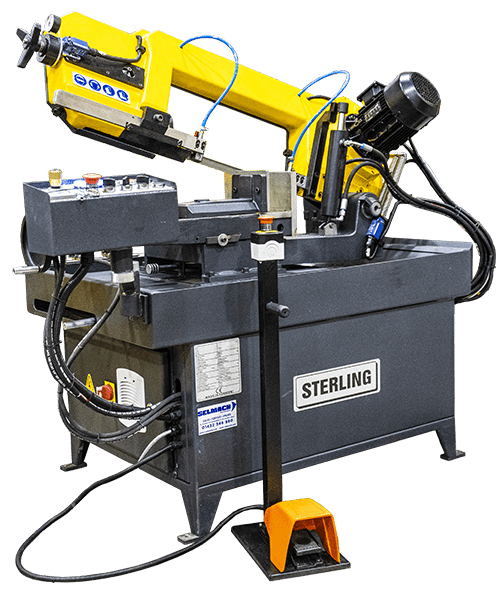
The Sterling 210 is our entry-level bandsaw, but offers great versatility with up to 45° mitring, a coolant system and a cast bow construction, working off Single Phase (240v).
All DS MS models have double quick mitring head capability allowing fixed roller track systems to be installed with the ability to cut at any angle up to 60 degrees right and 45 degrees left.
All DS MS models have double quick mitring head capability allowing fixed roller track systems to be installed with the ability to cut at any angle up to 60 degrees right and 45 degrees left.
All DS MS models have double quick mitring head capability allowing fixed roller track systems to be installed with the ability to cut at any angle up to 60 degrees right and 45 degrees left.
All SA DS MS models have double quick mitring head capability and a sliding vice with the ability to cut at any angle up to 60 degrees right and 45 degrees left.
All SA DS MS models have double quick mitring head capability and a sliding vice with the ability to cut at any angle up to 60 degrees right and 45 degrees left.
All SA DS MS models have double quick mitring head capability and a sliding vice with the ability to cut at any angle up to 60 degrees right and 45 degrees left.
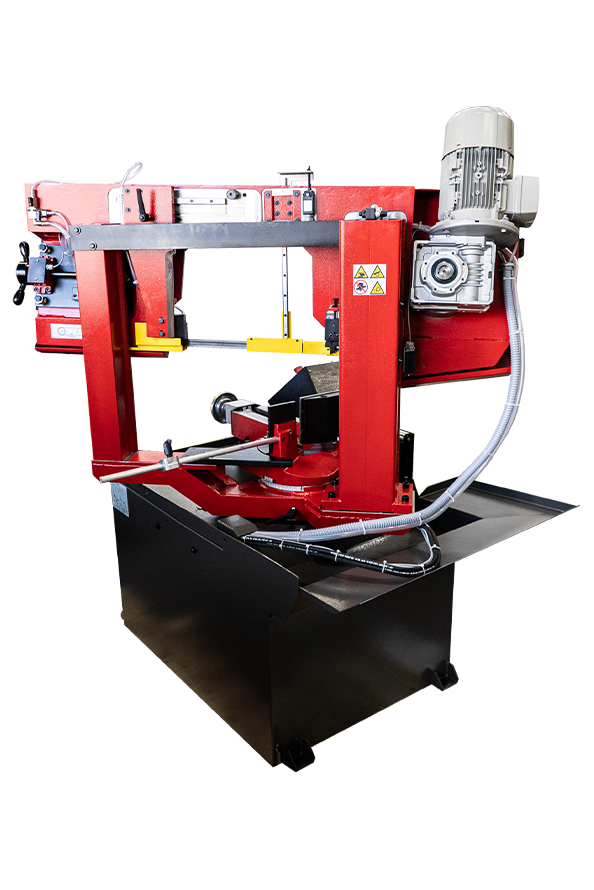
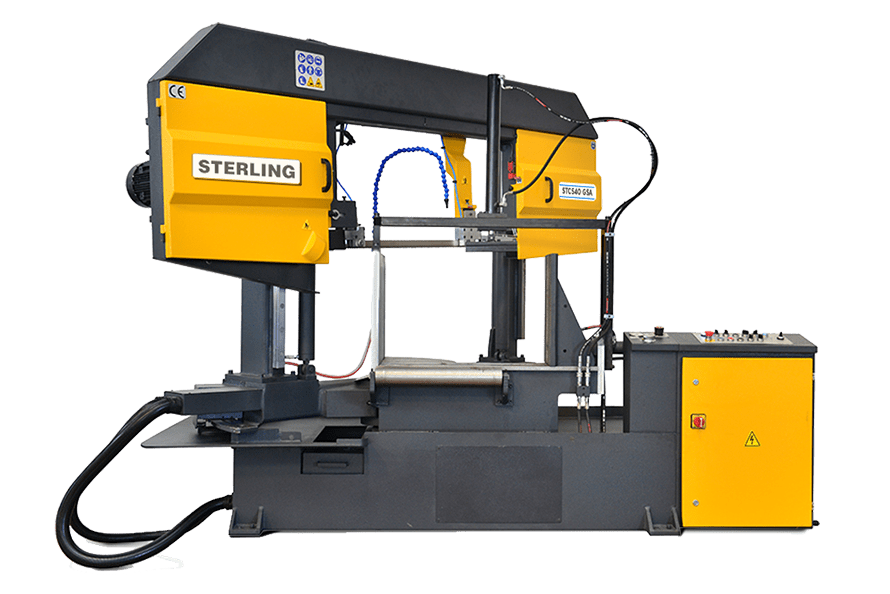
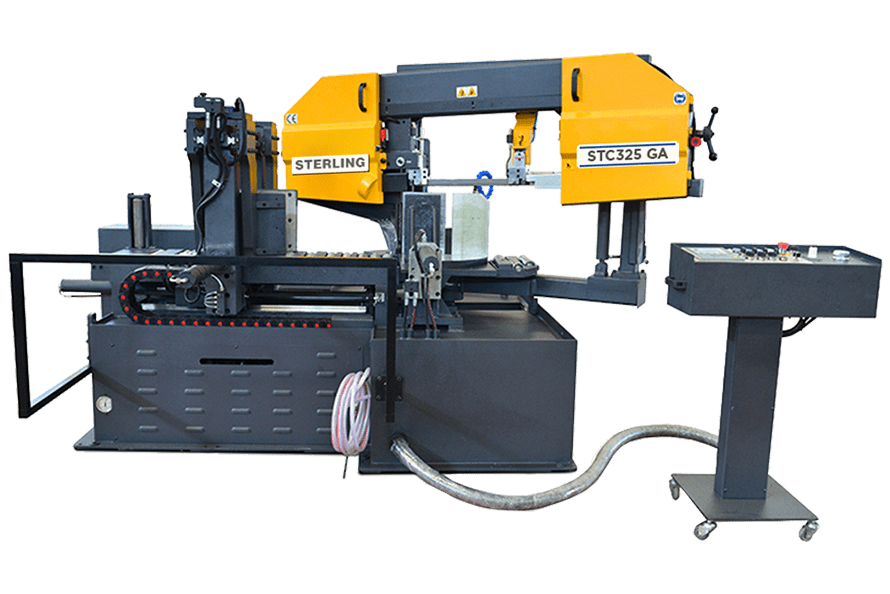
The Sterling STC SA range features a highly rigid, twin-column format for maximum stability – perfectly suited for cutting through large, heavy, thick materials.
The Sterling STC SA range features a highly rigid, twin-column format for maximum stability – perfectly suited for cutting through large, heavy, thick materials.
The Sterling STC SA range features a highly rigid, twin-column format for maximum stability – perfectly suited for cutting through large, heavy, thick materials.
The Sterling STC SA range features a highly rigid, twin-column format for maximum stability – perfectly suited for cutting through large, heavy, thick materials.
The Sterling STC SA range features a highly rigid, twin-column format for maximum stability – perfectly suited for cutting through large, heavy, thick materials.
The Sterling STC SA range features a highly rigid, twin-column format for maximum stability – perfectly suited for cutting through large, heavy, thick materials.
The Sterling STC SA range features a highly rigid, twin-column format for maximum stability – perfectly suited for cutting through large, heavy, thick materials.
The Sterling STC SA range features a highly rigid, twin-column format for maximum stability – perfectly suited for cutting through large, heavy, thick materials.
The Sterling STC SA range features a highly rigid, twin-column format for maximum stability – perfectly suited for cutting through large, heavy, thick materials.
This is a fully-automatic machine in a twin-column design, ideally suited for cutting solid materials, as well as pipes, profiles, and beams in steel-cutting applications, with mitring capacities.
This is a fully-automatic machine in a twin-column design, ideally suited for cutting solid materials, as well as pipes, profiles, and beams in steel-cutting applications, with mitring capacities.
This is a fully-automatic machine in a twin-column design, ideally suited for cutting solid materials, as well as pipes, profiles, and beams in steel-cutting applications, with mitring capacities.
This is a fully-automatic machine in a twin-column design, ideally suited for cutting solid materials, as well as pipes, profiles, and beams in steel-cutting applications, with mitring capacities.
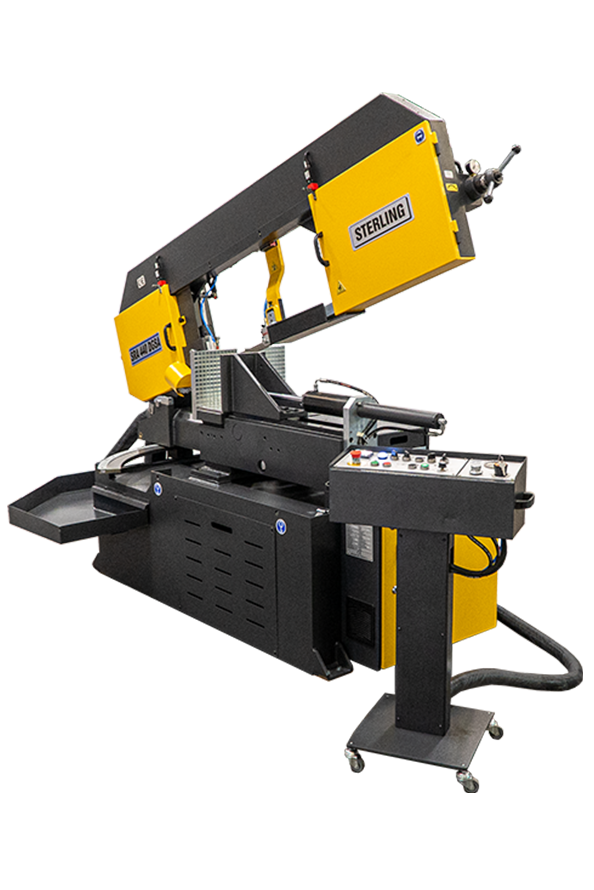
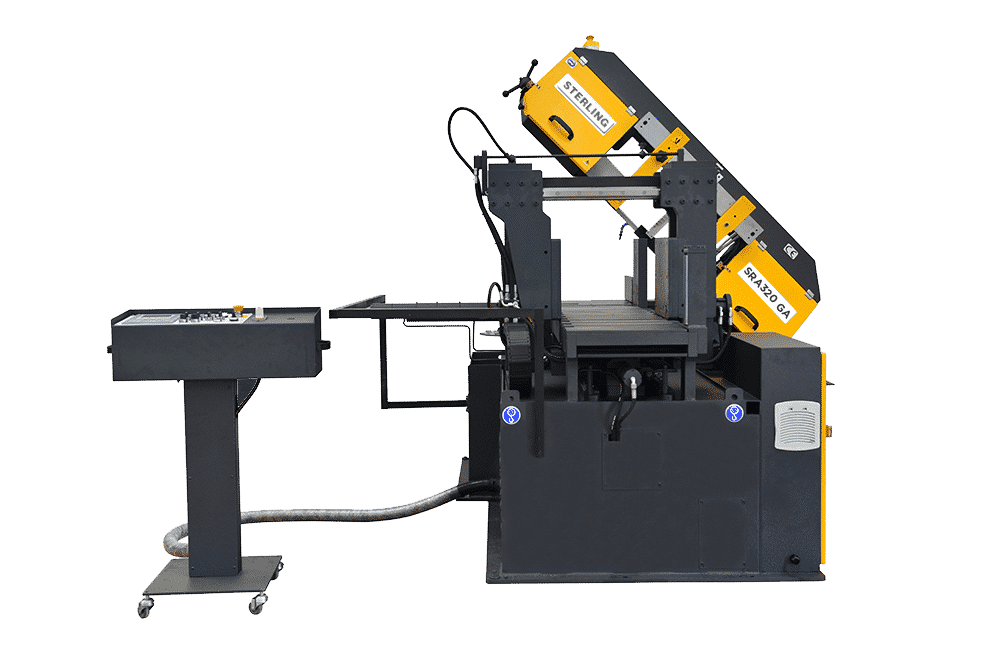
The SRA320 GA PLC series is designed to maximise production efficiency, handling heavy metals, profiles, and pipes with ease. Its fully automatic hydraulic feeding system makes it perfect for high-volume operations.
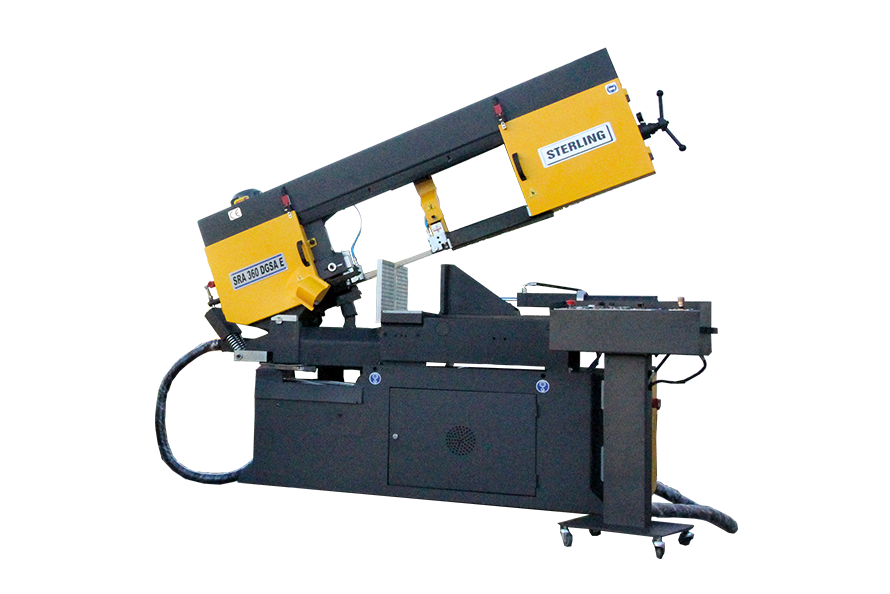
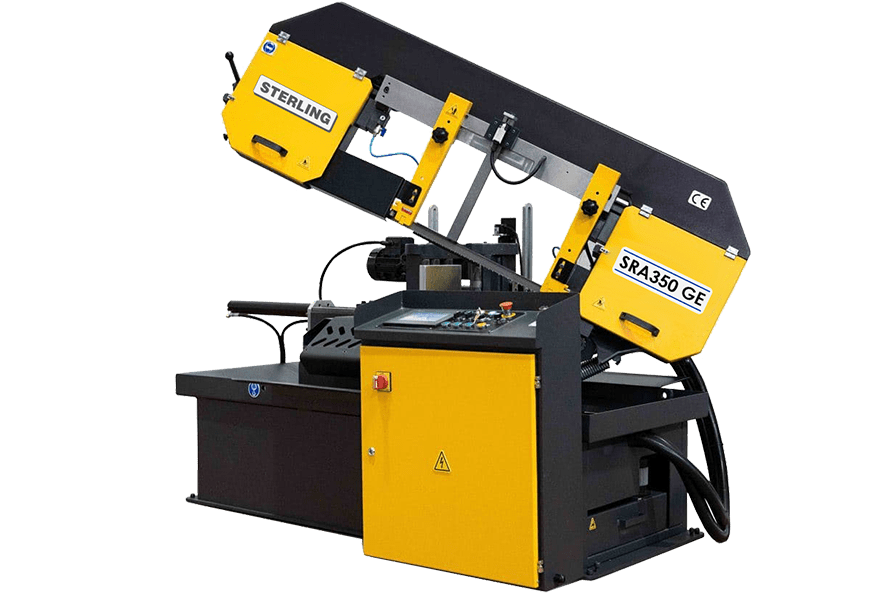
The Sterling SRA 270 DGA PLC Bandsaw combines robust construction with advanced features, including auto down-feed, automatic bow return, and a double-mitring head for cutting angles without turning the material.
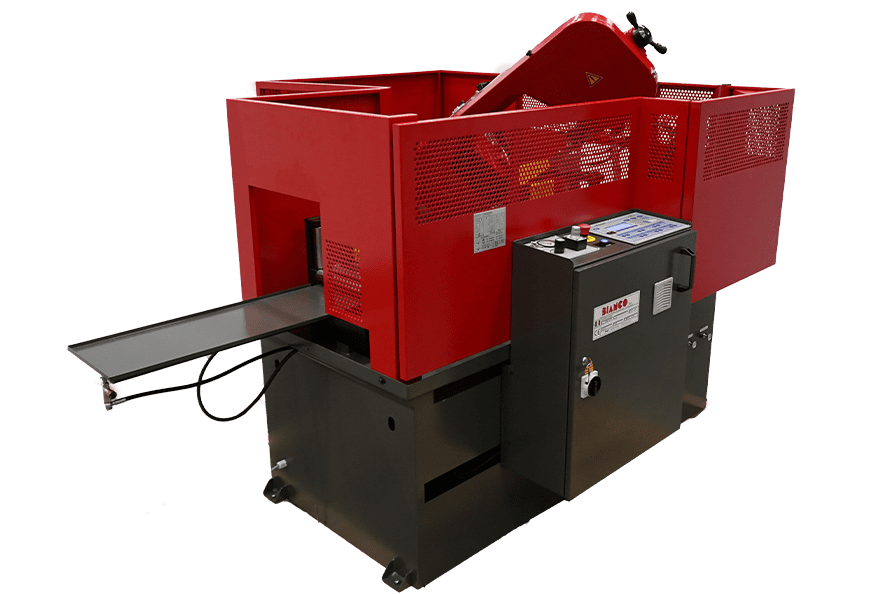
The Bianco DS CNC range offers automatic bow swing in addition to the automatic material feeding system. The 1R range features a 1000mm carriage stroke.
The Bianco DS CNC range offers automatic bow swing in addition to the automatic material feeding system. The 1R range features a 1000mm carriage stroke.
The Bianco DS CNC range offers automatic bow swing in addition to the automatic material feeding system. The 3R range features a 3000mm carriage stroke.
The Bianco DS CNC range offers automatic bow swing in addition to the automatic material feeding system. The 3R range features a 3000mm carriage stroke.
The SRA320 GAL CNC series is designed to maximise our customers’ production of heavy metal, profile and pipe cuts in high-volume units with a fully automatic hydraulic feeding system.
This a fully automatic machine in a twin-column design ideally suited for cutting solid material, as well as pipes, profiles and beams in steel cutting, with mitring capacities.
This a fully automatic machine in a twin-column design ideally suited for cutting solid material, as well as pipes, profiles and beams in steel cutting, with mitring capacities.
This a fully automatic machine in a twin-column design ideally suited for cutting solid material, as well as pipes, profiles and beams in steel cutting, with mitring capacities.
This a fully automatic, servo-based straight cutting machine in a twin-column design ideally suited for cutting solid material, as well as pipes, profiles and beams in steel cutting.
This a fully automatic, servo-based straight cutting machine in a twin-column design ideally suited for cutting solid material, as well as pipes, profiles and beams in steel cutting.
This a fully automatic, servo-based straight cutting machine in a twin-column design ideally suited for cutting solid material, as well as pipes, profiles and beams in steel cutting.
This a fully automatic, servo-based straight cutting machine in a twin-column design ideally suited for cutting solid material, as well as pipes, profiles and beams in steel cutting.
This a fully automatic, servo-based straight cutting machine in a twin-column design ideally suited for cutting solid material, as well as pipes, profiles and beams in steel cutting.
This a fully automatic, servo-based straight cutting machine in a twin-column design ideally suited for cutting solid material, as well as pipes, profiles and beams in steel cutting.
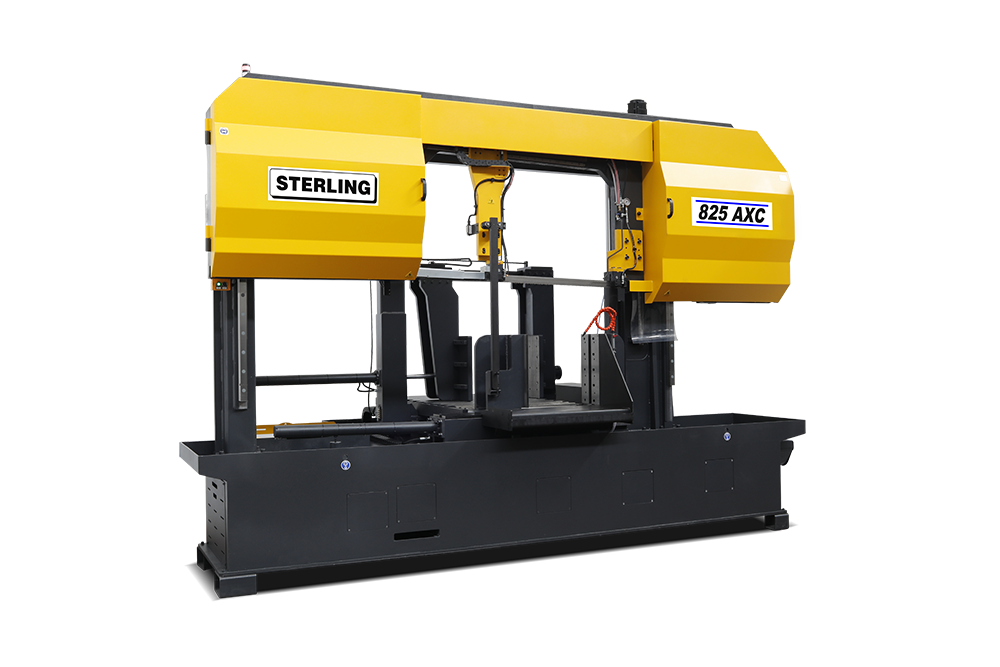
The STC AX CNC range is designed to maximise our customer’s production of heavy metal beams, profiles, and pipe cuts in high-volume quantities, with a fully automatic servo feeding and cutting system.
The STC AX CNC range is designed to maximise our customer’s production of heavy metal beams, profiles, and pipe cuts in high-volume quantities, with a fully automatic servo feeding and cutting system. For further improved safety – the machine can be supplied fully enclosed.
The STC AX CNC range is designed to maximise our customer’s production of heavy metal beams, profiles, and pipe cuts in high-volume quantities, with a fully automatic servo feeding and cutting system. For further improved safety – the machine can be supplied fully enclosed.
The STC AX CNC range is designed to maximise our customer’s production of heavy metal beams, profiles, and pipe cuts in high-volume quantities, with a fully automatic servo feeding and cutting system.
The STC AX CNC range is designed to maximise our customer’s production of heavy metal beams, profiles, and pipe cuts in high-volume quantities, with a fully automatic servo feeding and cutting system.
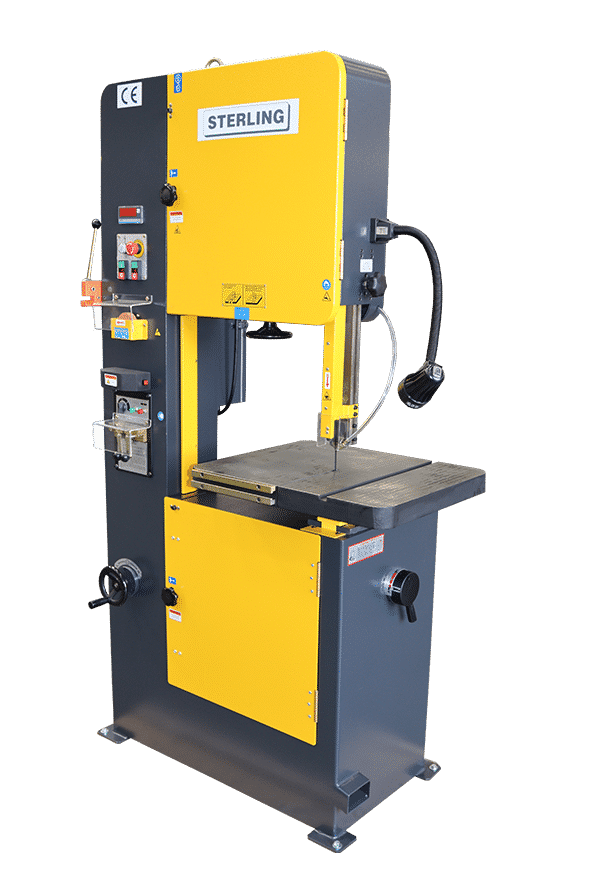
With their vertical design, Sterling SVR Vertical Bandsaws are perfect for intricate cuts, mitres, and curved shapes, while saving space in smaller workshops.
410mm
Cutting Depth
300mm
Cutting Height
5° L / 15° R
Mitre Capability
Equipment & Options6 standard
Standard Equipment
Swarf BrushWorklightAdjustable FenceVariable Protractor Fence for AnglesInclinable Table (5° Left / 15° Right)Dual Cutting Speeds
With their vertical design, Sterling SVR Vertical Bandsaws are perfect for intricate cuts, mitres, and curved shapes, while saving space in smaller workshops.
520mm
Cutting Depth
310mm
Cutting Height
Double Mitre
Mitre Capability
Equipment & Options6 standard
Standard Equipment
Swarf BrushWorklightAdjustable FenceVariable Protractor Fence for AnglesInclinable Table (5° Left / 15° Right)Dual Cutting Speeds
With their vertical design, Sterling SVR Vertical Bandsaws are perfect for intricate cuts, mitres, and curved shapes, while saving space in smaller workshops.
610mm
Cutting Depth
340mm
Cutting Height
Double Mitre
Mitre Capability
Equipment & Options6 standard
Standard Equipment
Swarf BrushWorklightAdjustable FenceVariable Protractor Fence for AnglesInclinable Table (5° Left / 15° Right)Dual Cutting Speeds
With their vertical design, Sterling SVR Vertical Bandsaws are perfect for intricate cuts, mitres, and curved shapes, while saving space in smaller workshops.
1,010mm
Cutting Depth
340mm
Cutting Height
Double Mitre
Mitre Capability
Equipment & Options7 standard · 2 optional
Standard Equipment
Swarf BrushWorklightAdjustable FenceVariable Protractor Fence for AnglesInclinable Table (5° Left / 15° Right)Variable Cutting SpeedsIntegrated Blade Welder
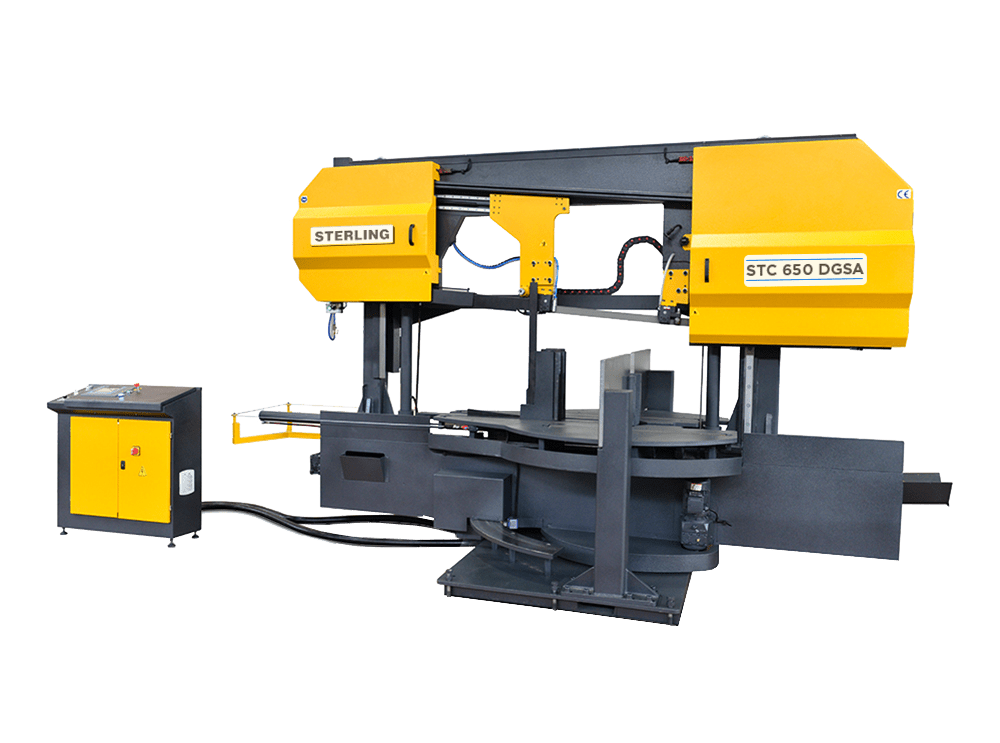
The Sterling Gantry Type Saw is the ultimate high-capacity bandsaw, boasting an impressive 2200mm cutting capacity. With lengths of up to 7 metres and a weight capacity of up to 50,000kg!
Ø 2,200mm
Tube Capacity
2,200mm
Box Capacity
2,200 × 2,400mm
Widest Cut
Straight Cut
Mitre Capability
Equipment & Options8 standard
Standard Equipment
Mobile Control PedestalProduction Management Software (MES)Chip ConveyorHydraulic Cooling PumpHydraulic Chip Brush Pump7000mm Length Cutting BedGantry Movement SystemVariable Cutting Speeds
Choosing an industrial metal-cutting bandsaw involves more than finding a machine with sufficient cutting capacity. The right solution should match the materials and profiles you process, the number of cuts required, your mitring needs and how much operator involvement is practical.
Our Buying Guide explains the differences between horizontal, twin-column, vertical and specialist bandsaws, as well as manual, gravity downfeed, semi-automatic, automatic and CNC operation.
If you are still uncertain, Selmach can assess your materials, production quantities and workshop layout to recommend a complete sawing solution.
Choosing Between Horizontal, Twin-Column, Vertical and Specialist Bandsaws
Start with the type of cut you need to produce. Horizontal bandsaws are the standard choice for cutting tube, box section, bar, channel, beams and other long material to length. Conventional pivot-action horizontal bandsaws are compact, versatile and well suited to general fabrication, where the machine may need to process a wide mixture of profiles and occasional mitres.
Twin-column bandsaws guide the saw bow on two rigid columns rather than lowering it around a single pivot point. This provides greater support throughout the cutting stroke and makes twin-column machines particularly suitable for large sections, solid material, structural steel and demanding production work. However, a twin-column machine is not automatically the best choice for every workshop. A smaller pivot-action saw can be quicker and more convenient when most work involves relatively small or varied material.
Vertical bandsaws keep the blade upright while the operator manoeuvres the workpiece across the table. They are intended for shaped, curved and intricate cutting rather than conventional bar and section cutting. Specialist bandsaws cover applications that cannot be handled efficiently by a standard machine, such as cutting bundles of rebar.
Comparing Manual, Gravity Downfeed, Semi-Automatic, Automatic and CNC Bandsaws
A manual bandsaw requires the operator to position and clamp the material, lower the bow and control each cutting cycle. This can be perfectly suitable for occasional cuts, maintenance departments and smaller workshops where flexibility matters more than production volume.
Gravity downfeed machines use an adjustable hydraulic system to control the descent of the saw bow. This allows the blade to cut at a more consistent feed rate and usually stops the machine automatically when the cut is complete. The operator must still position the material and reset the saw, but can undertake other work while longer cuts are taking place.
Semi-automatic bandsaws normally add hydraulic vice clamping and an automated bow cycle. Once the material has been positioned, the machine clamps, cuts and raises the bow ready for the next component. They provide a useful balance for fabrication workshops processing varied jobs but wanting to reduce repetitive manual handling.
Automatic bandsaws feed the material to a programmed length and repeat a specified quantity of cuts. CNC bandsaws generally provide more advanced programming, allowing different lengths and quantities to be included within the same production programme. Capabilities vary between models, and automatic material feeding does not always mean that mitre positioning is automatic.
The decision should be based on operator time, batch sizes, production bottlenecks and cost per cut, rather than purchase price alone. Too little automation can restrict output, while unnecessary automation may add complexity without delivering a worthwhile return.
Understanding Round, Square and Rectangular Cutting Capacities
Bandsaw capacity is normally shown separately for round material, square section and the widest rectangular cut. A machine capable of cutting a large round bar may have a different capacity for box section or a wide structural beam, so it is important to compare the figure that matches the profiles you actually process.
Capacity is also usually greatest when cutting at 90°. The available opening reduces when the bow is turned to 45° or 60°, and the reduction can differ depending on the direction of the mitre. If angled cutting is important, compare the capacities at each required angle rather than relying on the headline 90° figure.
Prepare a list of your most frequently cut materials, their dimensions and whether they are hollow, solid or cut in bundles. Include the largest section you expect to process regularly, but avoid choosing an oversized machine solely for an exceptional one-off job. A much larger saw may occupy more floor space, require a larger blade and be less efficient for the smaller material that forms most of your workload.
It is sensible to allow some room for growth, particularly if your projects are becoming larger, but the ideal bandsaw should still be centred around your normal production. Selmach can also arrange sample cutting to confirm that a proposed machine, blade and cutting setup are suitable.
A straight-cut bandsaw is ideal when material is primarily being cut to length at 90°. Removing the mitring mechanism can provide a simple and robust solution for billets, solid bar, repetitive production and other applications where angled cuts are not required.
A single-mitre bandsaw allows the bow to rotate in one direction. This is suitable when most angled components share the same orientation, although the material may need to be turned to produce an opposing angle. A double-mitre bandsaw turns both left and right, reducing material handling when producing frames, supports, architectural metalwork and structural assemblies with opposing angles.
Compare the available angle range and cutting capacity at each angle. Some machines reach 45°, while others can cut to 60° in one or both directions. Also consider how the vice moves, whether the bow is locked manually or hydraulically, and whether a mitre digital readout is included.
The complete layout matters too. The bow requires room to sweep around the material, while infeed and outfeed roller track must support the section throughout the cut without obstructing mitre movement.
Blade Speed, Tooth Pitch, Coolant and Material Type
The performance of a metal-cutting bandsaw depends as much on the blade and cutting setup as it does on the machine. Mild steel, stainless steel, aluminium, tool steel, solid bar, thin-wall tube and structural sections all place different demands on the blade.
Tooth pitch should be selected according to the type and thickness of material engaged by the blade. A blade that is too fine may struggle to clear swarf when cutting thick or solid material, while a blade that is too coarse can snag thin-wall tube and strip its teeth. Variable-pitch blades can be particularly useful for structural sections and profiles where the amount of material in contact with the blade changes throughout the cut.
Variable blade speed is valuable when the same bandsaw will process different metals. Stainless steel will normally require different cutting conditions from general mild steel or aluminium. Feed pressure, blade tension, blade guides, the swarf brush and coolant concentration must also be set and maintained correctly.
Where corrosion-critical stainless steel work is involved, consider how the blade, vice, roller track, coolant and surrounding surfaces will be cleaned after cutting mild steel. Dedicated blades or separate cutting arrangements may be advisable where the risk of ferrous contamination must be minimised.
Vices, Feed Systems, Scrap Length and Material Handling
Optional features should solve a genuine production problem. Hydraulic vices provide consistent clamping and reduce manual effort, while variable vice pressure helps prevent thin-wall tube and delicate profiles from being distorted. Hydraulic top clamps are useful for bundle cutting, and shuttle vices automatically move material through the machine during repeat production.
A mitre digital readout (DRO) can make frequent angle changes quicker and easier to reproduce. Chip conveyors remove high volumes of swarf from automatic machines, reducing interruptions for cleaning. Blade deviation monitoring, powered blade brushes and hydraulic blade tensioning can also contribute to consistent cutting during demanding production work.
For automatic and CNC bandsaws, minimum scrap length and carriage stroke deserve particular attention. Minimum scrap length is the material remnant left when the machine can no longer complete another automatic feed cycle. This can have a considerable effect when processing expensive material. Carriage stroke is the distance the feed vice can move in one cycle. Longer components may still be produced through repeated feed movements, but a longer stroke can reduce the number of movements required.
Roller track and measuring systems should be considered as part of the machine rather than an afterthought. Correctly aligned material support can improve handling, measurement and cut consistency while reducing the effort required to move long or heavy stock.
Our range of machines are well suited to different use cases – explore the range:
The Selmach bandsaw range is not arranged as a simple good, better and best hierarchy. Sterling, Bianco and BTM each cover different cutting requirements, capacities and levels of automation.
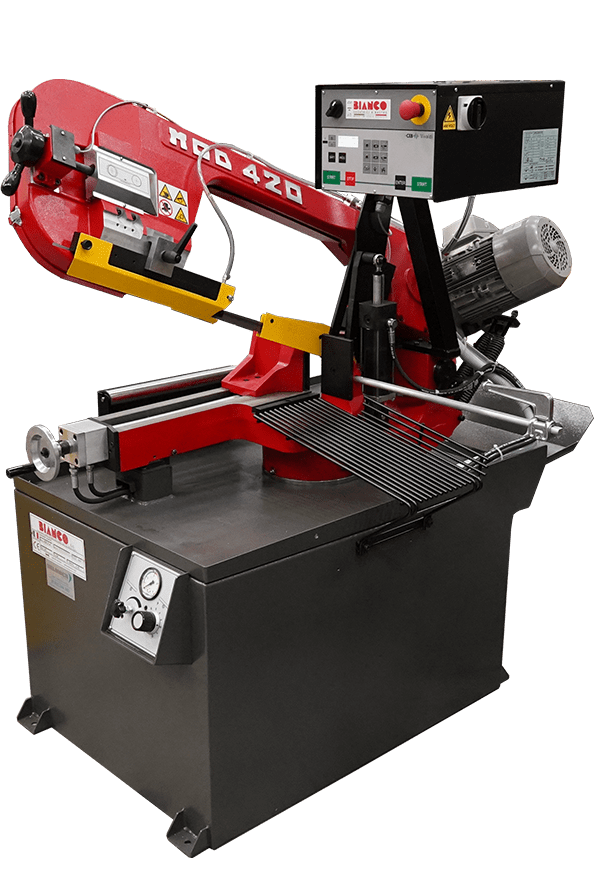
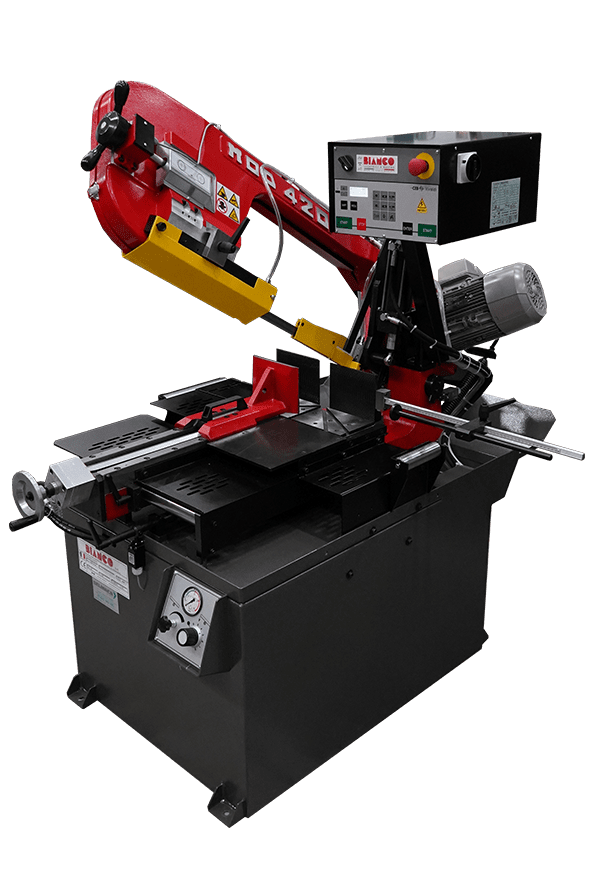
Italian built Bianco bandsaws cover general fabrication and production cutting from manual and gravity downfeed machines through to semi-automatic, PLC automatic and CNC models. The range is particularly strong for workshops processing mixed profiles, small to medium capacities and regular batch work. Different pivot-action, twin-column, single-mitre and double-mitre configurations are available.
Sterling provides the broadest spread of machine types and capacities. The range includes compact Swift bandsaws, heavy-duty SRA pivot-action machines, STC twin-column bandsaws, SVR vertical saws and specialist high-capacity solutions such as the GTC gantry machine. Sterling is particularly well suited to structural fabrication, large sections and applications requiring substantial cutting capacity.
BTM, Bianco’s sister brand, provides specialist heavy-duty solutions, including machines designed specifically for rebar bundle cutting. These models are intended for applications where conventional vice arrangements and general-purpose bandsaws would struggle to clamp or process the material efficiently.
The best range will depend on the required machine type, automation, capacity, mitre capability and features. Comparing the complete cutting process is more useful than selecting by brand alone.
From Operator-Controlled Cutting to Programmed Production
A manual bandsaw requires the operator to control each stage of the cut. Gravity downfeed controls the bow’s descent but still requires manual positioning and resetting. Semi-automatic machines automate the vice and bow cycle, while automatic bandsaws also feed material for repeated cuts. CNC bandsaws provide more flexible programming of different lengths and quantities. Exact functions vary between models, so the complete cutting cycle should always be checked.
Record the round, square and rectangular dimensions of the material you cut most frequently, as well as the largest sections you expect to process regularly. Check capacity at 90° and at every required mitre angle. Allow sensible room for growth, but avoid choosing an unnecessarily large machine that may be inefficient for your everyday work.
A horizontal bandsaw is normally used to cut tube, bar, box section, beams and other long material to length. A vertical bandsaw allows the operator to guide the workpiece around an upright blade, making it better suited to contours, shapes and intricate profile cutting. Many workshops use both because they perform fundamentally different tasks.
A pivot-action bandsaw lowers the bow around a hinged pivot and provides a compact, versatile solution for general fabrication. A twin-column bandsaw guides the bow on two rigid columns, supporting it throughout the cutting stroke. This is particularly beneficial for large sections, solid materials and demanding production cutting.
A single-mitre bandsaw turns in one direction, while a double-mitre machine can turn both left and right. Double mitring reduces the need to rotate or reposition long material when producing opposing angles. Always compare the available cutting capacity at each angle because it will normally be lower than the machine’s 90° capacity.
Automation becomes valuable when operators spend a significant amount of time repeatedly measuring, positioning and clamping material. Automatic bandsaws are ideal for batches of repeated components, while CNC machines are particularly useful when several lengths and quantities must be produced within one programme. The justification should include labour savings, increased output, reduced measurement errors and more consistent material use.
Versatile Section Cutting or High-Speed Production
Bandsaws are highly versatile and can process a wide range of solids, tubes, profiles and structural sections with a relatively narrow kerf. Circular saws can provide faster cycles and a high-quality finish for suitable materials and production applications. The right choice depends on section size, material, finish requirements, cut volume and whether flexibility or maximum production speed is the priority. Circular Saws are better suited to smaller diameter materials, with capacities up to 115mm on tube in our range.
One Machine Can Cut Different Metals with the Correct Setup
Many industrial bandsaws can process all three materials, provided the blade type, tooth pitch, blade speed, feed pressure and coolant are appropriate. Settings that work well for general mild steel may not suit stainless steel or aluminium. For corrosion-critical stainless work, clean away mild-steel swarf and consider dedicated blades or segregated cutting arrangements to reduce contamination risk.
Blade selection depends on the material grade, section type, wall thickness, dimensions and whether pieces are being cut individually or in bundles. Tooth pitch must keep a suitable number of teeth engaged throughout the cut while still allowing swarf to clear. Providing the bandsaw model and full cutting application will allow the blade to be specified more accurately than ordering by blade length alone.
A bandsaw cutting out of square can be caused by incorrect blade tension, worn or damaged blade teeth, poorly adjusted blade guides, excessive feed pressure or a blade with an unsuitable tooth pitch for the material being cut. Movement in the vice or inadequate clamping can also allow the material to shift during the cutting cycle.
The first step is to check that the blade is correctly tensioned, running properly through the guides and suitable for the material and section size. The guide arms should be positioned as close to the workpiece as practical, while the vice must hold the material securely without movement. Cutting speed and feed pressure should also be reduced if the blade is being forced through the material.
If these checks do not resolve the issue, the blade guides, wheels, vice alignment and saw bow should be inspected for wear or misalignment. Regular maintenance and correct blade selection will help produce consistently straight and accurate cuts.
There is no fixed lifespan because blade life is affected by material type, cross-sectional area, tooth pitch, cutting speed, feed pressure, coolant, blade tension and machine condition. A new blade should also be run in correctly. Slower cutting, excessive noise, stripped teeth, wandering cuts or visible cracking can indicate that a blade is nearing the end of its usable life.
Minimum scrap length is the remnant left when an automatic bandsaw can no longer feed the remaining material through another complete cycle. Carriage stroke is the distance the feed vice can move the stock in one movement. Longer components can often be produced through repeated strokes, but this may increase cycle time. Both figures should be considered when comparing automatic and CNC bandsaws.
Roller track keeps long and heavy material level with the bandsaw bed, reducing manual handling and helping maintain alignment through the cut. An outfeed measuring stop or powered measuring system can also improve repeatability and remove the need for repeated tape measurements and marking. The total installation should allow room for the longest stock and any required mitre movement.
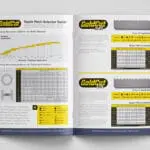
Selmach can specify and supply replacement GoldCut bandsaw blades to suit any machine, material and cutting application. Installation, operator training, technical support and servicing are also available from our team of UK-Wide Engineers. When requesting a blade, provide the bandsaw model, blade dimensions, material type and section sizes wherever possible.
COMPLETE YOUR SAWING SET-UP
A productive sawing set-up goes beyond the bandsaw. Support long and heavy stock with correctly specified infeed and outfeed roller track, then improve cutting speed, accuracy and repeatability with a manual or programmable measuring system.
From modular gravity roller trackto powered heavy-duty handling and PEHU measuring or automatic feeding systems, Selmach can configure a solution around your bandsaw, materials, production requirements and available workshop space.
Whether you are replacing an existing bandsaw, increasing your cutting capacity, or investing in a complete cutting and material handling setup, our saw specialists can help identify the ideal solution for your intended use case.
UK Installation • Training • Service Support • Finance Available
See the machines in action
Our Selmach showroom in Hereford features over 60 machines, all available for testing and demonstration. This includes an extensive selection of the bandsaw range, all available for demonstration.