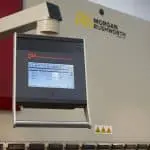
What Does a Press Brake Controller Do?
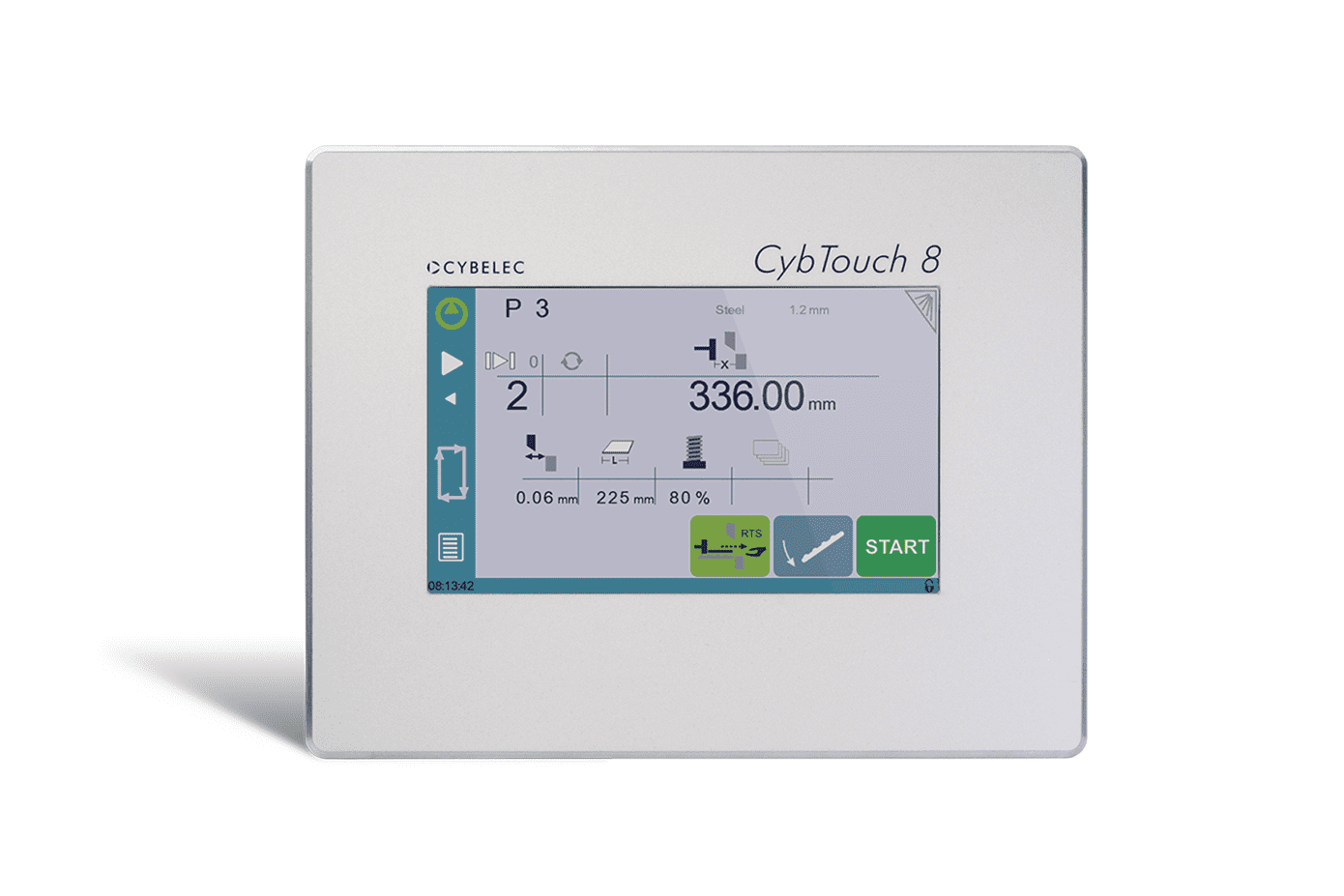
A press brake controller is the operating system behind the bending process. It helps the operator set bend angles, programme sequences, manage backgauge positions and improve repeatability. As jobs become more complex, the controller becomes more important, particularly where multiple bends, tool changes, graphical programming or feasibility checks are involved.
2D vs 3D Press Brake Programming
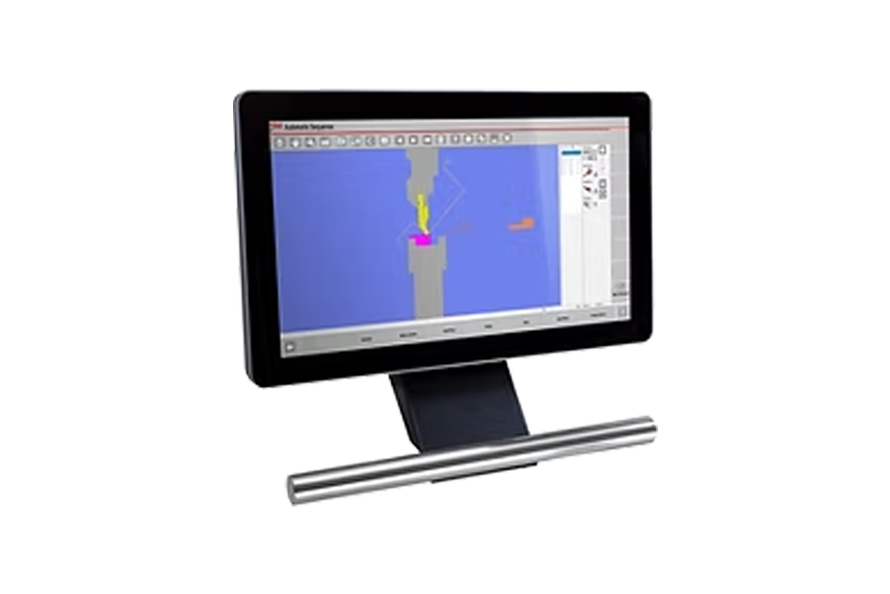
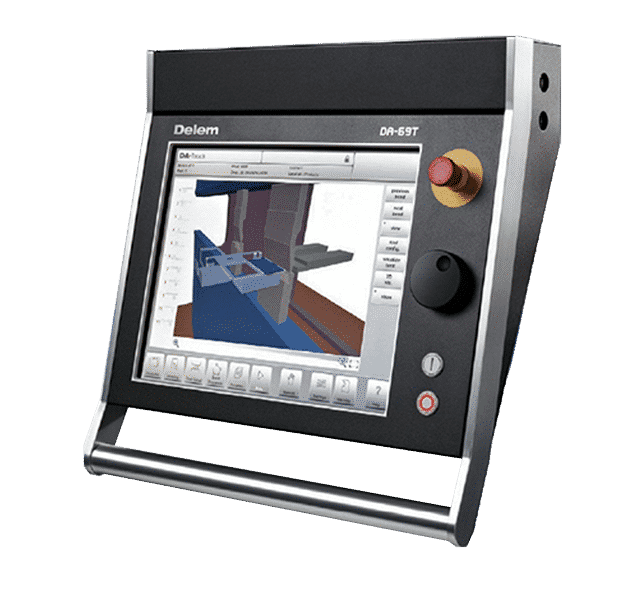
For many everyday bending applications, 2D programming is sufficient and provides a clear, efficient way to enter and run jobs. For more advanced work, 3D programming helps visualise the part, tooling and bend sequence in greater detail. This is particularly useful when checking feasibility, reducing trial and error and improving set-up on more complex components. Selmach offers controller options covering both 2D programming and more advanced 3D environments, depending on your production requirements.
Offline Programming for Press Brakes
Offline programming allows jobs to be prepared away from the machine, helping production continue while new parts are being programmed. This can be a major advantage in busier fabrication environments where machine uptime matters. Depending on the controller selected, offline programming can support job preparation, optimisation and feasibility checking before the operator begins production on the shop floor.
Choosing a Controller to Match Your Press Brake
Not every workshop needs the same level of control. Some users need a simple, quick-to-learn interface for general fabrication, while others require advanced programming, imported files, tool libraries and stronger visualisation for more demanding work. Selecting the right controller is about matching capability to the type of bending work you carry out, both now and as production grows.