
The useful measure of a changeover is the time from the last accepted part of one job to the first accepted part of the next. That includes preparation, tools, programming, adjustment and inspection. A fast bending stroke alone will not shorten all of it.
Measure where time goes
Follow several typical changes rather than only the longest one. Record waiting for drawings, finding tools, entering programmes, changing clamps, adjusting fingers and approving the first part. Separate work that can happen while the previous job runs from work that requires the machine to stop.
Choose improvements from that record. Buying an automatic tool changer will not resolve missing drawing revisions or inaccurate tool libraries.
Prepare the next job
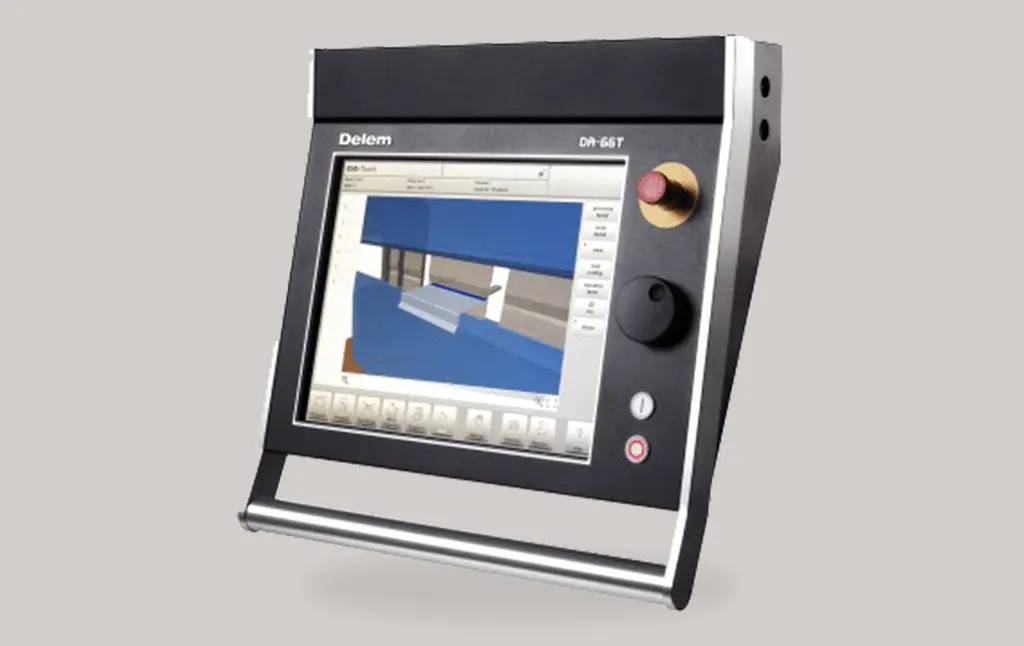
Have approved drawings, material and tooling information ready. Where the controller and licensed package support it, prepare the programme offline and validate the sequence using an accurate machine model. Confirm programme transfer and first-off checks.
Maintain a controlled tool library with the actual profiles, heights and segment arrangements. A recalled programme is useful only when the physical setup matches it.
Make manual changes repeatable
Organise tools by identified location and record complete setup sheets. Assess segmented tooling and quick clamping against the parts. Programme finger positions where available and identify any manual settings clearly.
Compare a change performed by different trained operators. This can reveal undocumented knowledge that needs to become part of the job record.
Decide whether automation pays
Record how often each type of tool change occurs and how much machine time it consumes. Compare quick manual clamping, powered clamping and automatic tool changing only where available on the proposed machines. Do not assume an accessory can be retrofitted. The PBXS offers optional hydraulic-release top and bottom tooling clamping. This assists tool release and securing; it does not automatically exchange the tools.
Calculate the value of released productive time using accepted output and your real demand. A time saving has limited commercial value if another process constrains completed orders.
Repeat production across shifts
Use approved programmes, setup records and first-off criteria on both shifts. Record recurring corrections and investigate their cause. Plan servicing around utilisation and preserve backups of programmes and tooling data.
A PBXS production assessment
The premium Morgan Rushworth PBXS should be compared as a specified production package, including controller, software, gauging, clamping and support. Ask Selmach to demonstrate a simple bracket, a complex component and a complete tooling change.
Measure changeover time, accepted parts per hour, adjustments and operator interventions. These results provide a practical basis for choosing options. For the wider queue between cutting and bending, use our existing fibre-laser-to-press-brake workflow guide rather than assessing the brake in isolation.
Published 21st October 2026