
A fibre laser’s running cost cannot be reduced to its laser power rating or one headline hourly figure. Electricity, assist gas, consumables, labour and maintenance all contribute, while material yield and machine utilisation determine how those costs are spread across finished work.
The most useful comparison is the cost of producing an accepted component from a representative job. That connects the machine’s operating costs to the quality, delivery and margin your business needs.
Keep purchase cost and running cost distinct
Start by defining what the calculation includes. Day-to-day operating costs differ from the installed purchase price, finance charges and depreciation. A full investment appraisal should include both, but they should remain identifiable.
Installation may involve electrical work, extraction, gas supply, material handling and workshop changes. These are relevant to the investment decision even where they are not charged directly to each cutting job.
For quoting work, agree how fixed costs will be allocated. Use a realistic productive workload rather than assuming the machine will earn revenue throughout every available hour.
Measure electricity across the installation
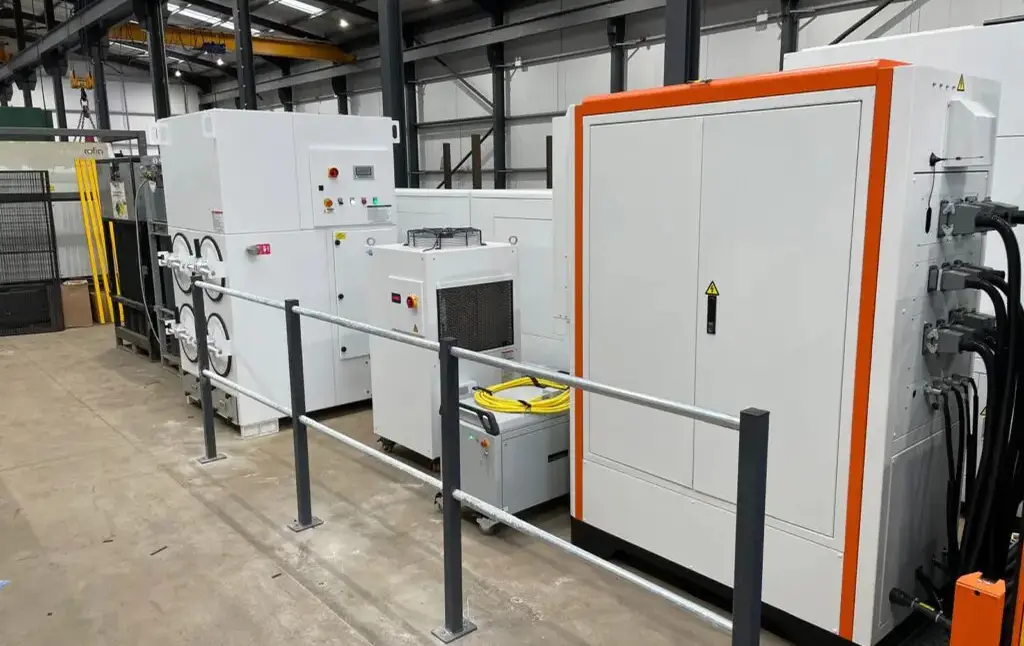
The laser source rating describes optical output, not the electricity consumed by the whole installation. The source, motion system, chiller, extraction and other equipment contribute to electrical demand.
A compressor or nitrogen generation system may add further consumption. Where equipment is shared, allocate its cost consistently and avoid charging the same electricity twice.
Request the supplier’s relevant electrical requirements and operating information, then refine the estimate with measured consumption once the machine is installed. Distinguish cutting, ready and idle periods where practical, and apply your actual electricity tariff.
Include assist gas and its supply costs
Gas cost depends on the chosen process, flow, pressure, cutting time and supply arrangement. A single hourly allowance may be misleading when the workshop processes different materials and thicknesses.
Purchased gas can involve delivery or rental costs alongside consumption. Generated nitrogen or compressed air requires electricity, treatment equipment and maintenance. Compare the complete supply cost on a consistent basis.
Record actual gas use for representative jobs where suitable measurement is available. Include process preparation and interruptions that consume gas without producing accepted parts.
Allow for consumables and maintenance
Nozzles, protective components and other consumables need provision in the costing model. Their life depends on the process and operating conditions, so use service guidance and your own records rather than assuming a universal replacement interval.
Include planned maintenance, service arrangements and routine operator checks. Separate predictable costs from exceptional damage so that unusual incidents do not distort the baseline estimate.
Cutting-table condition also affects production. Our guide to cleaning and maintaining fibre laser slats explains why this deserves regular attention. For process supplies, see the consumables selection guide.
Count the labour surrounding the cut
Programming, loading, unloading, sorting and inspection take time even when the cutting cycle is automatic. Include the labour actually required by the job and use a consistent hourly cost basis.
If an operator works on another process while the laser cuts, avoid allocating their full time to both jobs. Conversely, a fast programme may still require substantial attendance if sheets need frequent changing or parts need continual collection.
Automation should be evaluated against measured handling time. Released staff capacity becomes a cash saving only where the business can avoid a cost; otherwise its value may be additional output or capacity elsewhere.
Use a transparent worked example
Consider a hypothetical batch producing 40 accepted parts. Assume £6 electricity, £18 assist gas, £4 consumable provision, £20 direct labour and £8 allocated maintenance. The total processing allowance is £56, or £1.40 per accepted part.
If the net material cost for the batch is £60 after any recoverable scrap credit, the combined allowance becomes £116, or £2.90 per accepted part. This example excludes finance, depreciation, general overheads, delivery and profit. It is an illustration, not a Selmach machine quotation or performance estimate.
If only 36 parts are accepted while the same £116 is incurred, the allowance rises to about £3.22 per accepted part. Quality and yield therefore belong in the calculation alongside cutting speed.
Review the figures against real production
Compare estimated and actual costs after representative jobs. Include waiting, changeovers and downstream finishing, and investigate the largest differences before refining small allowances.
Bring Selmach your material schedule, batch sizes and expected production hours. We can review the fibre laser range and relevant options, including nitrogen generation, to help you build a running-cost model around your own workload.
Published 6th October 2026