
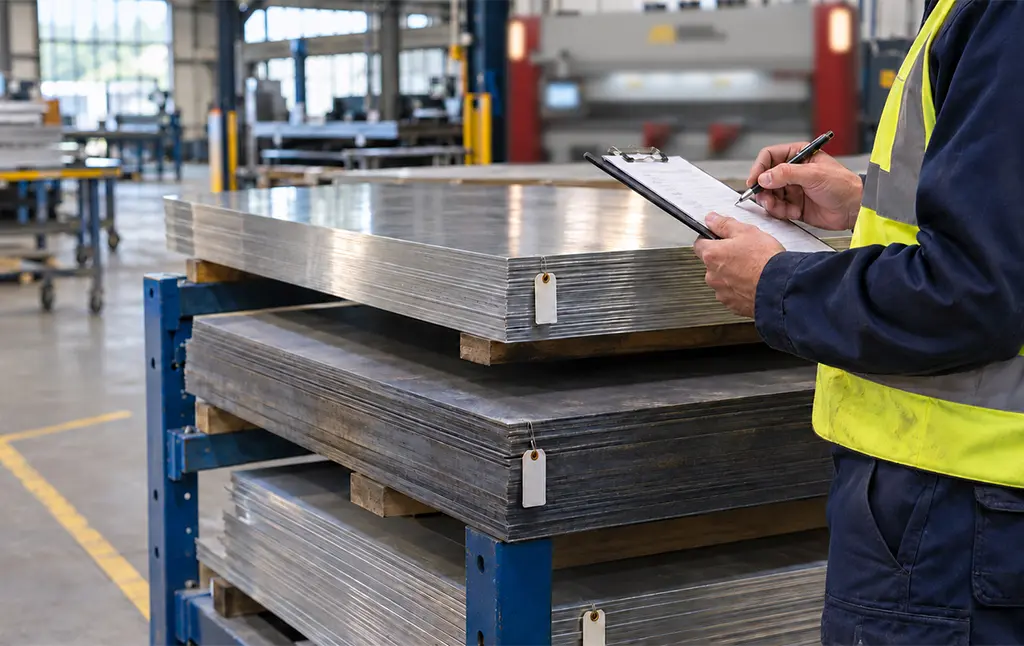

The UK Carbon Border Adjustment Mechanism (CBAM) is due to take effect on 1st January 2027. It applies to specified imported goods in aluminium, cement, fertiliser, hydrogen, and iron and steel. For fabricators, this makes it worth reviewing material sourcing, supplier information and purchasing assumptions ahead of implementation.
A machine or component is not automatically covered because it contains steel. Product scope depends on the relevant commodity code and applicable rules. Start by establishing which goods you purchase and who imports them.
Use the following checklist to structure conversations with your material suppliers and advisers.
1. Which materials are within scope?
Ask your supplier:
- What commodity codes apply to the products we purchase?
- Have these been checked against HMRC’s current CBAM scope?
- Can you provide the classification and supporting product descriptions in writing?
Avoid assuming that all steel or aluminium products receive the same treatment. Check each relevant product against the published scope.
2. Who is the importer?
Ask whether your business, the supplier or another organisation is treated as the importer for CBAM purposes.
Using a freight forwarder or customs broker does not automatically transfer responsibility: a business can remain the importer when someone completes the declaration on its behalf. Confirm the position against the actual purchasing and customs arrangements.
If you buy from a UK stockholder, ask how its import arrangements could affect your prices and the information available to you.
3. Can you supply suitable emissions data?
If your business imports covered goods, ask suppliers:
- Can you obtain verified emissions intensity data from the producer?
- Which production installation and monitoring period does it cover?
- Can you provide the relevant verification report or summary?
- When will the information be available?
HMRC requires evidence of verification when actual emissions are reported. Where actual data or verification evidence is unavailable, a default value must be used. A general sustainability statement should not be treated as a substitute for the required evidence.
4. Is there evidence to support Carbon Price Relief?
Ask whether the goods have been subject to a qualifying carbon pricing scheme and whether the necessary verified information can be supplied.
Carbon Price Relief may reduce the liability, but eligibility and the calculation require supporting evidence. Ask your adviser to assess the information rather than assuming that a carbon charge paid overseas automatically removes the UK liability.
5. How could our material prices change?
Ask suppliers to explain their commercial approach:
- Do quotations include any anticipated CBAM-related costs?
- Could prices be adjusted after an order is placed?
- What assumptions underpin any provisional surcharge?
- How long will quotations remain valid?
Use those answers to review purchasing budgets, customer quotation periods and margins on longer-running contracts.
6. Can the paperwork be linked to our purchases?
Ask whether invoices, delivery records and supporting documents can identify the relevant goods consistently.
For importers, HMRC’s record requirements include commodity codes, descriptions, values, weights and tax-point dates. Agree how supplier information will connect to your own purchasing and import records.
7. Have we checked our own obligations?
Supplier discussions should feed into an internal review with your accountant or customs adviser.
Check the £50,000 registration threshold using HMRC’s forward-looking and backward-looking tests. Registration opens on 1 January 2028, but businesses can become liable during 2027 and must retain the relevant records before registration becomes available.
Review material efficiency alongside purchasing costs
Better nesting, usable-remnant control and fewer rejected parts can help reduce the material purchased for each finished job. Assess these opportunities using your own production figures.
Keep that business case separate from tax compliance. Lower electricity consumption by your cutting or forming machinery does not itself remove an importer’s CBAM liability, which concerns emissions embodied in covered imported goods.
Start with your main material suppliers: establish scope, identify the importer, request supporting information and review the cost assumptions together.
This checklist provides general purchasing guidance. Confirm your business’s position against current HMRC guidance with a qualified tax or customs adviser. Machinery conformity and safety requirements require a separate assessment.
Further reading: HMRC’s CBAM policy summary.
Published 10th November 2026