
Precision cutting, forming and finishing systems for handrails, balustrades, frames and decorative structures.
Architectural metalwork demands clean lines, accurate joints and a consistently high-quality finish — often in stainless steel or aluminium where every imperfection is visible. Whether you are producing handrails, balustrades, frames, gates or bespoke decorative components, the right machinery can make the difference between slow, labour-intensive processes and efficient, repeatable production.
Selmach supplies a complete range of machinery for architectural metalwork, from tube and section lasers through to press brakes, section rollers, and finishing equipment. This page explores how these technologies help solve industry challenges, and which models best suit different workshop environments.
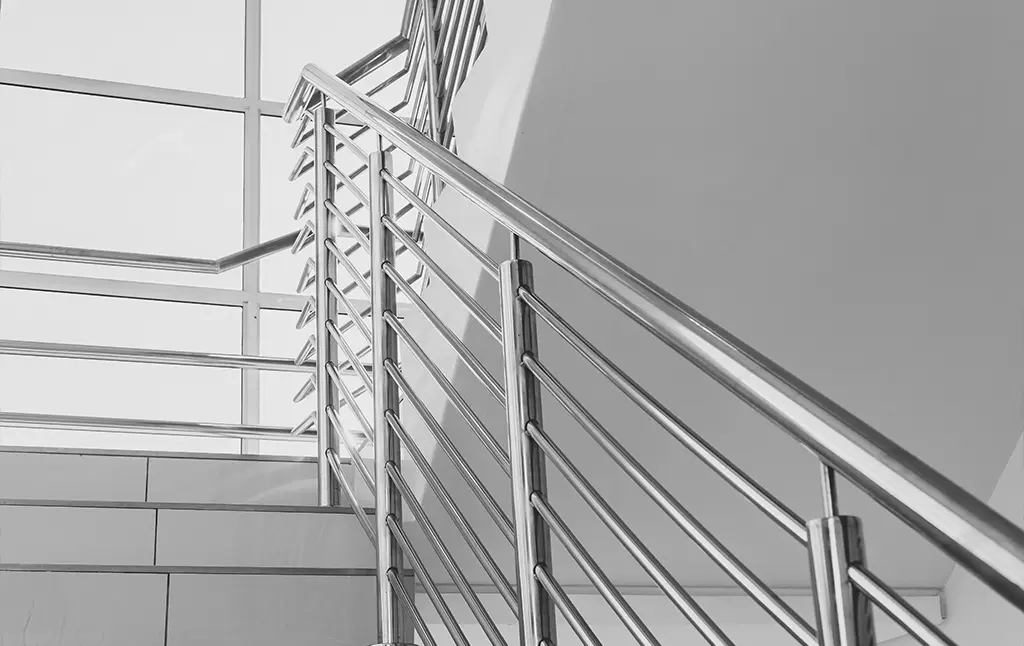
Challenges in Architectural Metalwork Fabrication
Architectural fabricators commonly face:
-
Achieving precise mitres and joint fit-up without extensive grinding
-
Maintaining clean, consistent edges on stainless and aluminium
-
Handling awkward tube and section profiles with accuracy
-
Producing repeatable bends, brackets and formed components
-
Reducing distortion during cutting
-
Managing small-batch or bespoke workflows efficiently
-
Achieving decorative finishes with minimal secondary work
Traditional methods — saws, abrasive cutting, drilling, manual forming — struggle to deliver the precision and consistency needed in modern architectural metalwork.
Profiles & Materials Used in Architectural Fabrication
Architectural metalwork typically includes:
-
Round tube (stainless, mild steel, aluminium)
-
Square and rectangular box section (RHS/SHS)
-
Flat-sided or oval tube
-
Angle and channel sections
-
Flat bar and architectural plate components
-
Decorative or custom profiles
-
Thin- to medium-wall materials needing clean, accurate edges
This diversity of materials and geometries requires flexible machinery that can switch between tasks quickly and maintain consistent quality.
How Modern Machinery Improves Architectural Metalwork Production
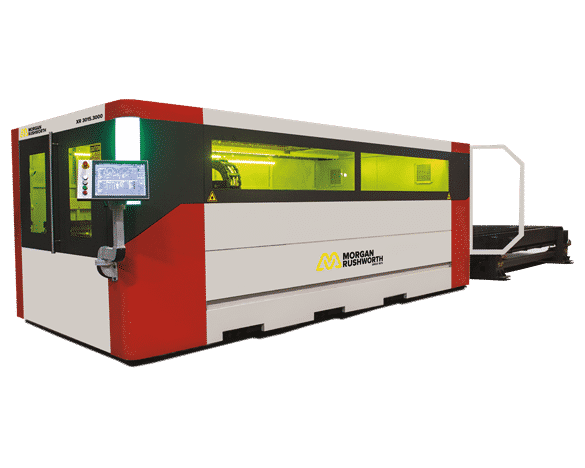
Sheet Lasers
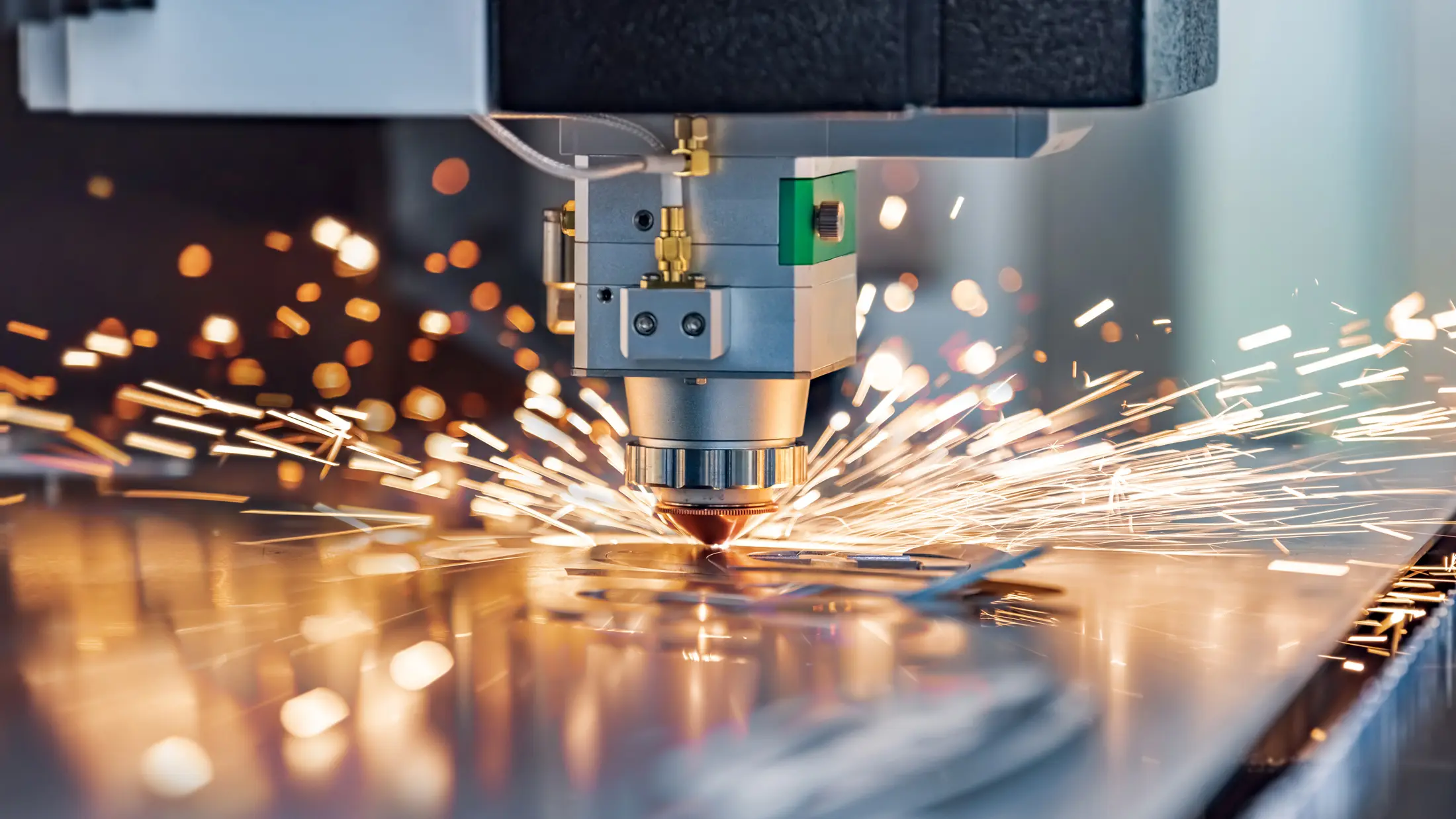
Flatbed fibre lasers are used for:
-
brackets
-
base plates
-
decorative components
-
façade elements
-
flat parts for railing systems
They provide tight tolerances, clean edges and the ability to nest complex shapes efficiently.
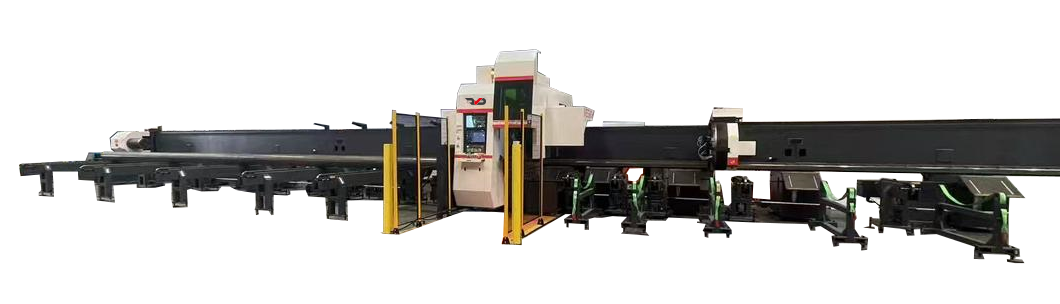
Tube & Section Lasers
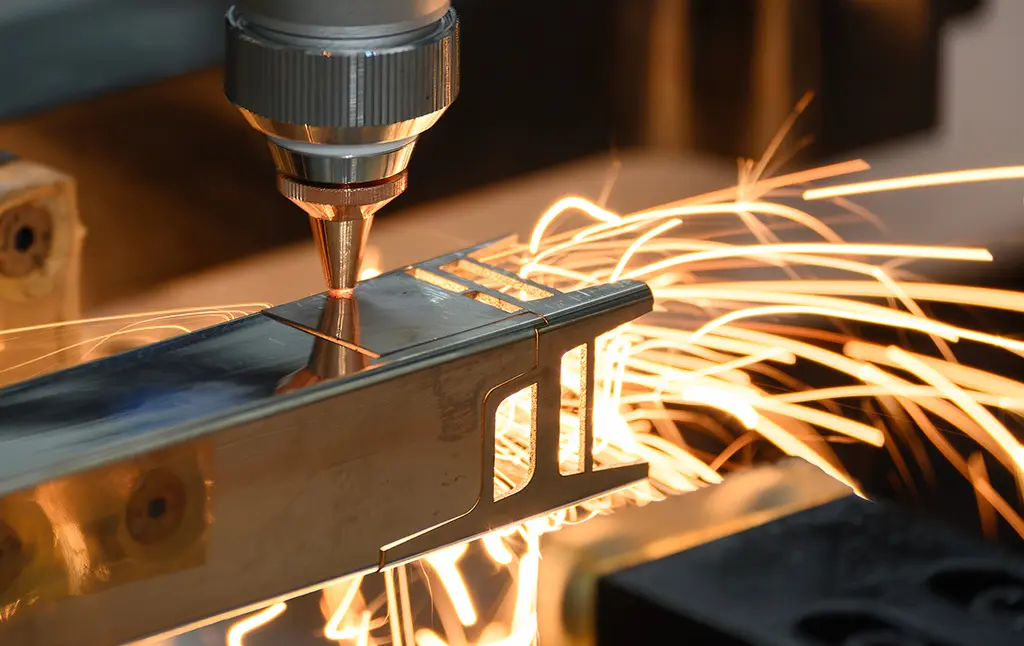
Tube lasers are ideal for architectural work due to their:
-
extremely accurate mitres and joint geometry
-
clean, consistent cuts requiring minimal finishing
-
repeatable results on stainless and aluminium
-
ability to cut holes, slots and notches in one operation
-
smooth integration with press brakes and rollers downstream
-
automation options that reduce manual handling
This significantly accelerates production compared with saws, grinders or plasma cutting.
Press Brakes
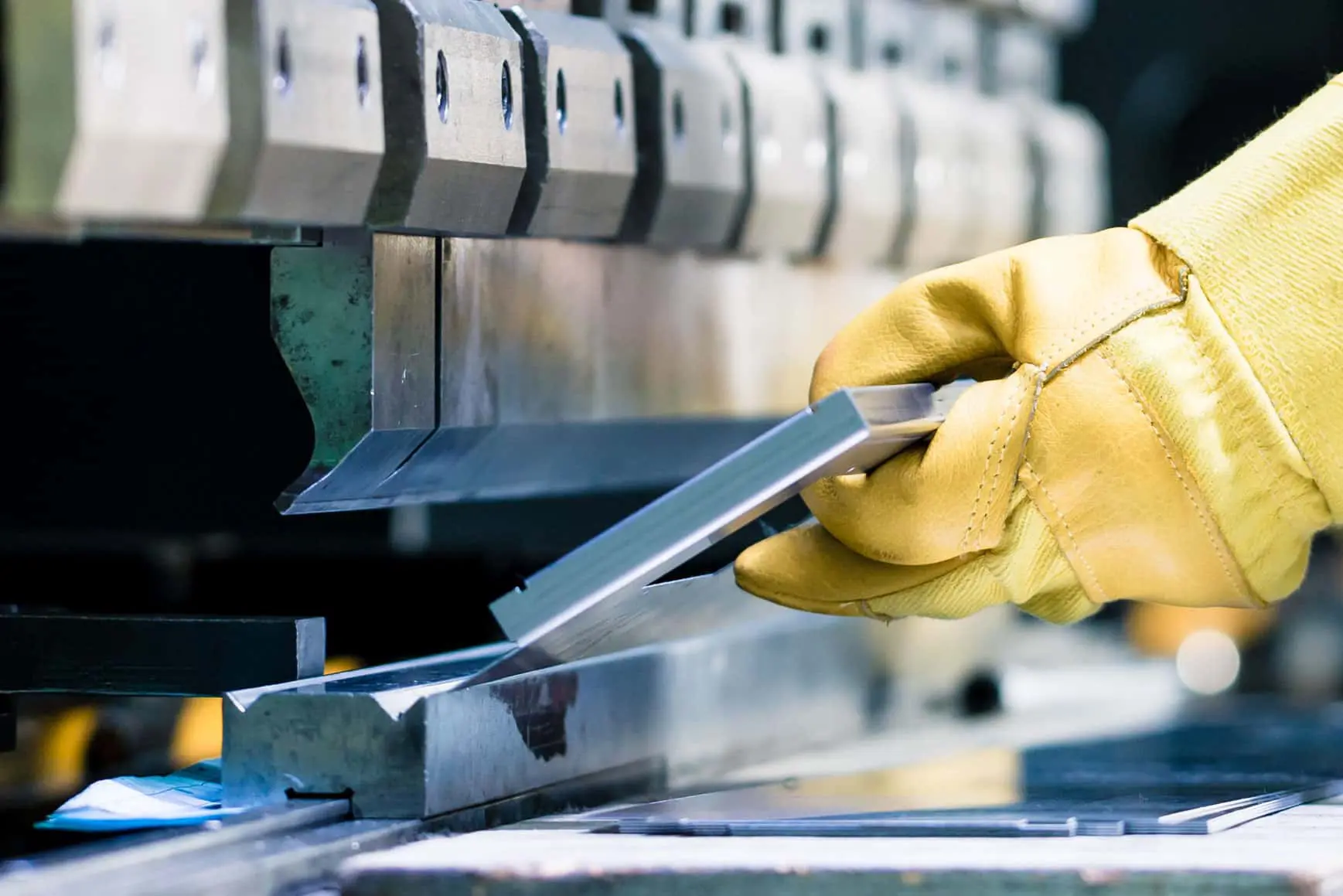
Press brakes are fundamental for forming:
-
brackets
-
stiffeners
-
support plates
-
architectural frames
-
bespoke decorative structures
Modern CNC controls ensure consistent results across batches.
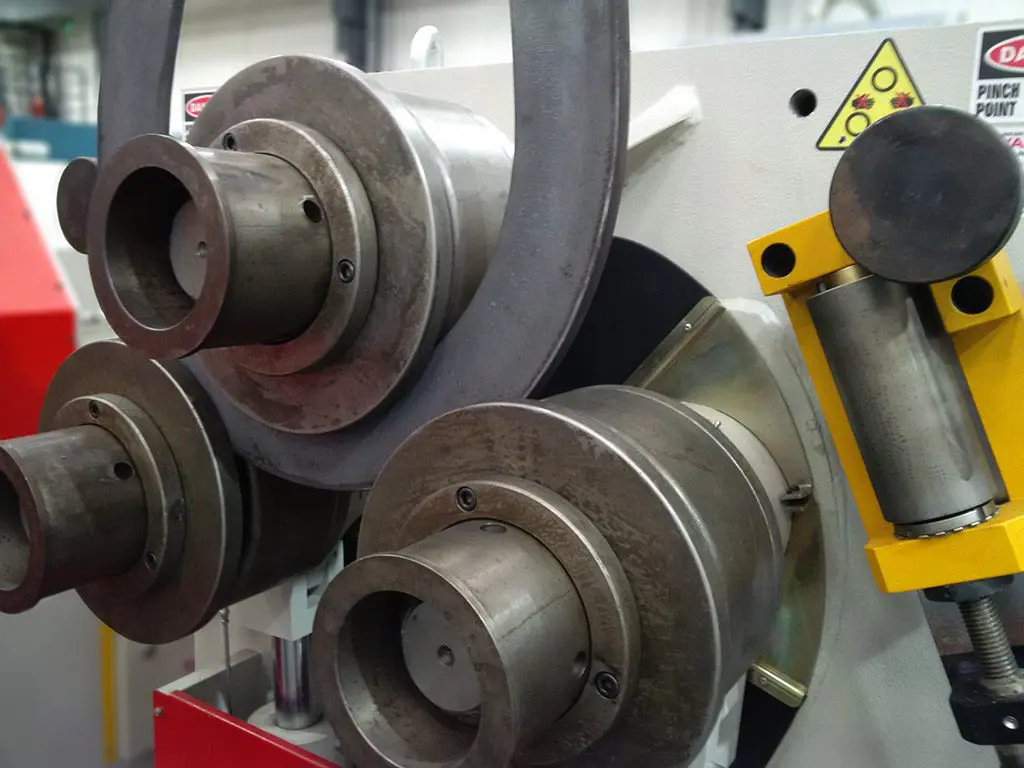
Section Rollers
Section rollers support the production of:
-
curved handrails
-
circular balustrades
-
decorative curves
-
curved box section frames
They deliver predictable rolling results without distortion.
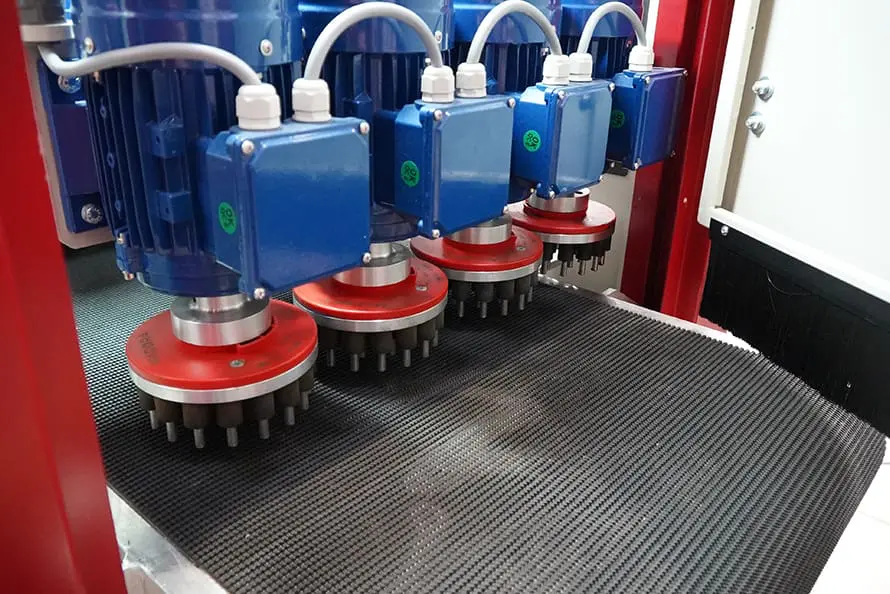
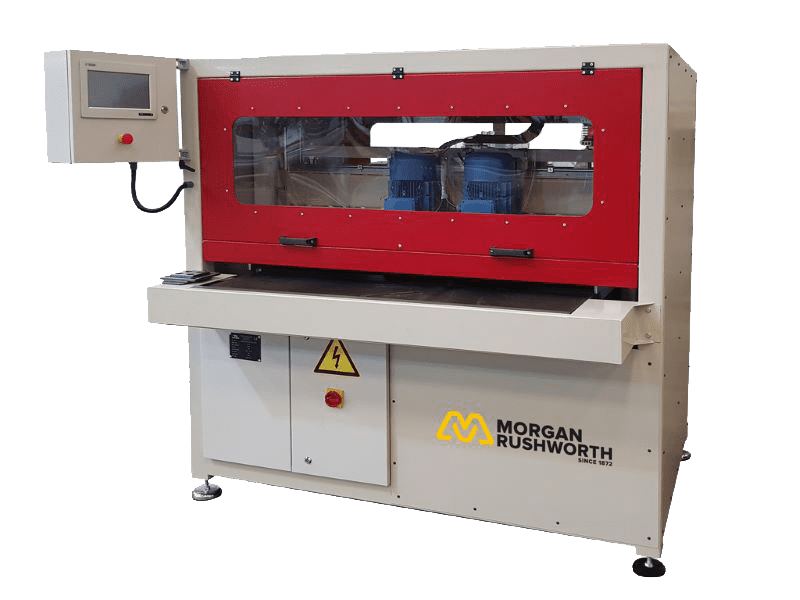
Finishing & Preparation Equipment
Finishing machines help:
-
polish stainless components
-
deburr laser-cut edges
-
prepare surfaces for architectural-quality presentation
This reduces manual polishing time and elevates final quality.
Customer Case Studies
Hear from some of our customers about how our machinery has helped them.

Teknoroof – Expanding capacities and capabilities
Teknoroof is a specialist manufacturer of steel and aluminium roof and canopy products, to service the UK’s ever-growing construction industries, based in Northamptonshire.
We spoke to Adrian Stickley, the Operations Manager, about the various pieces of machinery and service they’ve been supplied by Selmach, including their Morgan Rushworth HSW60 Steelworker, HSGS Guillotine, PBSL Compact Press Brake and Hydraulic Decoiler.

MMK Engineering – Bringing Profiling In-House
MMK Engineering Ltd, based in Devon, work across the full spectrum of engineering, from designing small components to assembling entire end-use products and machinery. We spoke to Rob Jeffrey, Design Engineer, about the assortment of machinery they’ve received from us, including their Ajan CNC Plasma, Morgan Rushworth XL Fibre Laser, SBR Rolls, HSGS Guillotine and HFP H-Frame Press. Machinery brought in to enhance their in-house capabilities and save money and resources. “They are on the price, they are on the back up, it’s fantastic. Yeah. I’d recommend Selmach to anyone.”

MR Industrial Services continued success with the help of Selmach Machinery
MR Industrial Services, based in Corby, Northamptonshire supply a range of architectural and industrial steelwork to the construction industry. We spoke to Carl Peters, Martyn Nimmo and William Adams to discuss their experiences of working with Selmach Machinery over the years.

Facade and Cladding Solutions expand and upgrade their machinery
Our customer Facade and Cladding Solutions spoke to us about their experiences buying a range of machines from us here at Selmach, including a Press Brake, Guillotine, Steelworker and Corner Notcher.
Recommended Machinery for Architectural Metalwork
Below are the machines best suited to this industry, grouped by type for easy navigation.


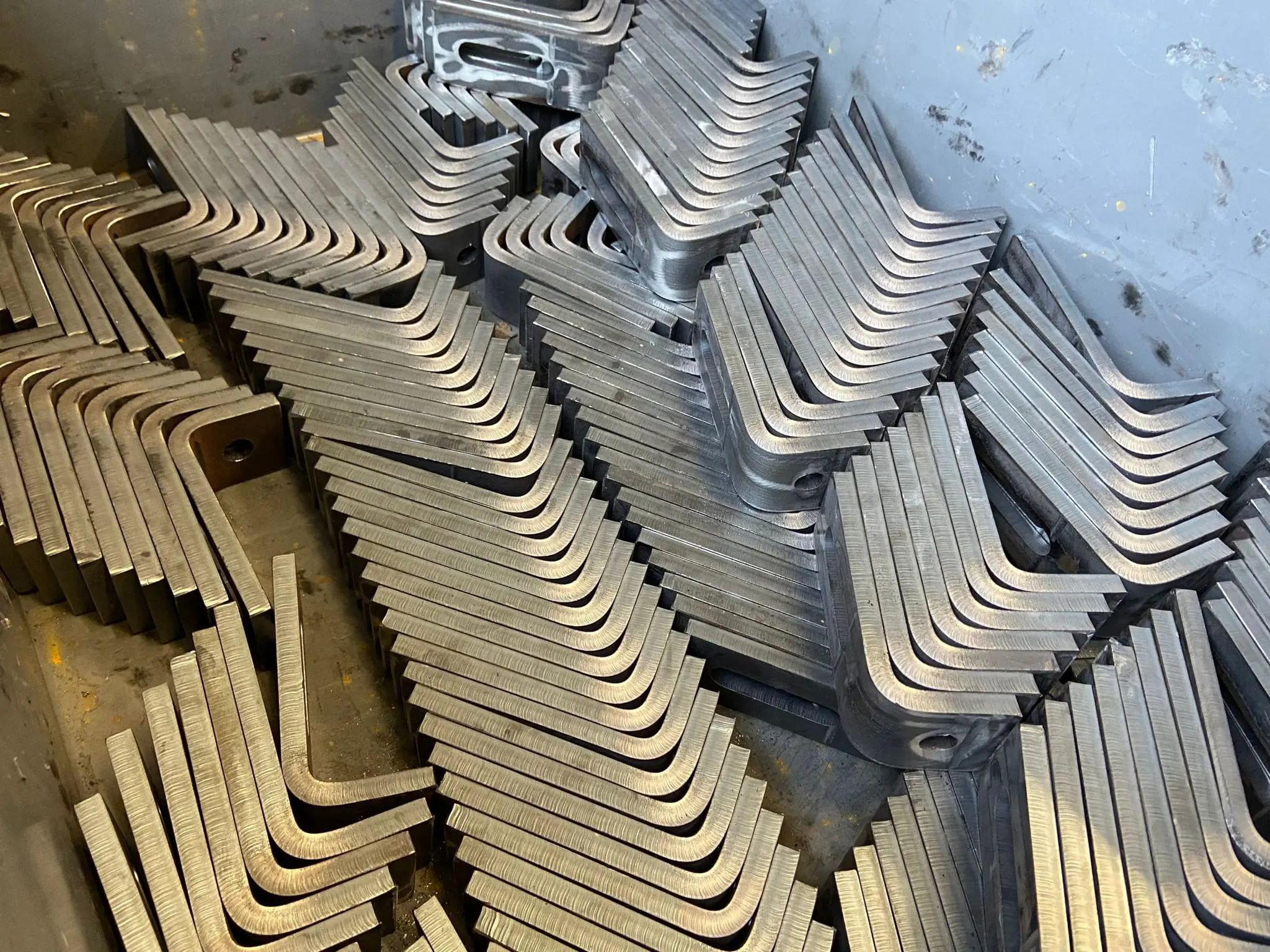
Example Components Produced in Architectural Metalwork
-
Handrail tubes and bends
-
Balustrade uprights
-
Decorative frames
-
Staircase components
-
Brackets and connectors
-
Curved handrail sections
-
Furniture frames
-
Structural support elements
-
Custom architectural features
Typical Workflow for Architectural Metalwork Fabrication
A complete workflow might look like:
-
Tube Laser Cutting – mitres, notches, slots, joint details
-
Sheet Laser Cutting – brackets, plates, decorative parts
-
Press Brake Forming – bending plates and frames
-
Section Rolling – creating curved railings and architectural forms
-
Finishing & Polishing – preparing stainless/aluminium surfaces
-
Assembly & Welding – improved fit-up speeds up final fabrication

Why Choose Selmach for Architectural Fabrication Machinery?
-
Full machinery ecosystem for tube, section and sheet workflows
-
UK-wide installation, training and aftercare
-
Experience supporting architectural metalwork fabricators
-
Advice based on real layouts, materials and parts
-
Long-term service support and stocked spares
-
Guidance on selecting the right machine combination
Speak to a Specialist
Tell us what components you produce, and we’ll recommend the most efficient machinery for your space, materials and production volume.